
The Healing Powers of Cannabis

Photo by 7raysmarketing on Pixabay
cannabis
## Introduction
Cannabis, also known as marijuana, has been a topic of great interest and debate in recent years. With its potential health benefits and the ongoing discussions surrounding its legalization, it’s crucial to delve into the healing powers of this plant. In this article, we will explore the various therapeutic properties of cannabis and its potential applications in modern medicine.
Understanding Cannabis
What is Cannabis?
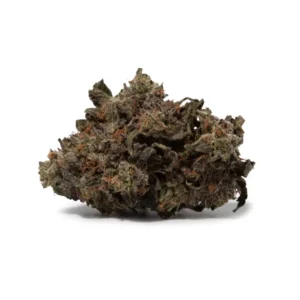
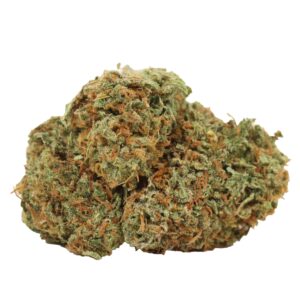
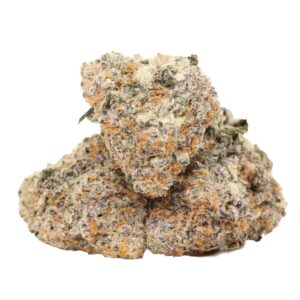
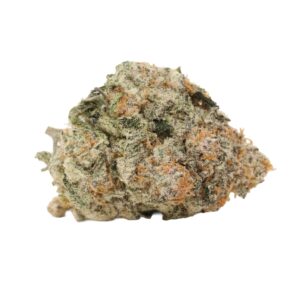
Cannabis is a flowering plant that belongs to the Cannabaceae family. It is native to Central Asia and has been used for centuries for its medicinal and recreational purposes. The plant contains over 100 chemical compounds known as cannabinoids, with the most well-known being tetrahydrocannabinol (THC) and cannabidiol (CBD). These cannabinoids interact with our body’s endocannabinoid system, which plays a vital role in regulating various physiological processes.
The Endocannabinoid System
The endocannabinoid system (ECS) is a complex network of receptors, enzymes, and endocannabinoids that are naturally produced by our bodies. This system helps maintain homeostasis, ensuring that our body functions are balanced. When we consume cannabis, the cannabinoids interact with the ECS, leading to various therapeutic effects.
The Therapeutic Properties of Cannabis
Pain Relief
Pain relief is one of the most well-known therapeutic properties of cannabis. Studies have shown that cannabinoids can help alleviate chronic pain by interacting with the ECS receptors in our nervous system. This makes cannabis an attractive alternative to traditional pain medications, especially for patients who experience adverse side effects.
Anti-Inflammatory Effects
Inflammation is a natural response by our body to injury or infection. However, chronic inflammation can lead to various health issues. Cannabis has been found to have anti-inflammatory properties, which can help reduce inflammation and potentially alleviate symptoms of conditions such as arthritis and inflammatory bowel disease.
Anxiety and Depression Management
Anxiety and depression are common mental health disorders that affect millions of people worldwide. Cannabis has shown promise in managing these conditions by interacting with receptors in the brain that regulate mood and emotional responses. However, it is crucial to note that the effects of cannabis on mental health can vary from person to person, and further research is needed to fully understand its potential benefits and risks.
Neuroprotective Properties
Neurodegenerative diseases, such as Alzheimer’s and Parkinson’s, are characterized by the progressive loss of neurons in the brain. Cannabis has been found to have neuroprotective properties, potentially slowing down the progression of these diseases and improving overall brain health. Research in this area is still in its early stages, but the initial findings are promising. cannabis
Cancer Symptom Management
Cancer and its treatments often lead to debilitating symptoms such as pain, nausea, and loss of appetite. Cannabis has shown potential in managing these symptoms and improving the quality of life for cancer patients. Additionally, some studies suggest that certain cannabinoids may have anti-cancer properties, although more research is needed to fully understand their effectiveness.cannabis
Epilepsy Treatment
Epilepsy is a neurological disorder characterized by recurrent seizures. Traditional anti-seizure medications may not be effective for all patients, leading to a search for alternative treatments. CBD, a non-psychoactive cannabinoid found in cannabis, has shown promise in reducing seizure frequency and severity in certain types of epilepsy. However, it is crucial to consult with a healthcare professional before considering cannabis as a treatment option. cannabis
The Legal Landscape
Global Cannabis Laws
The legal status of cannabis varies widely across different countries and regions. While some countries have fully legalized cannabis for recreational and medical purposes, others have strict regulations or even criminalize its use. It is essential to understand the legal landscape in your jurisdiction before considering cannabis use. cannabis
Medical Cannabis Programs
In countries and states where medical cannabis is legal, there are often specific programs in place to regulate its use. These programs typically require patients to obtain a medical recommendation from a qualified healthcare professional and obtain a medical cannabis card. These programs aim to ensure safe and controlled access to cannabis for therapeutic purposes. cannabis
Conclusion
As we continue to explore the potential therapeutic benefits of cannabis, it is crucial to approach this topic with an open mind and a commitment to further research. While cannabis shows promise in various areas of healthcare, it is essential to consult with healthcare professionals and abide by the legal regulations in your jurisdiction. With continued research and advancements in our understanding, cannabis may become an invaluable tool in the treatment and management of various health conditions. cannabis